

Kahvi(tauko) and Çay
Coffee and Tea and a bit of Kompot

Where I come from, (Romania that is) we used to drink kompot a lot. Kompot is a non-alcoholic fruit drink that’s popular in Eastern European and Balkan countries. It’s boiled fruits (typically fresh or dried) served as a drink, either it’s summer or winter. We used to drink it with ice cubes in the summer (that was our iced tea) or hot, during winter time to get warm.
Beside kompot, we also drank a lot of herbal tea (we just called it “tea”), whatever the grandparents cultivated in their garden: mint, camomile or linden. They would dry and store them to have in winter too. So no actual black tea for us. I personally didn’t know about the tea plant until in my 20’s.
Then, at 27, I moved to Turkey with my husband and a baby. It was the second time I was out of the home country (first was a week long holiday in Halkidiki, Greece, after we graduaded University). So, it’s safe to say I didn’t know anything about the tea (çay <chai>-in turkish) culture I was so blindly entering.
Everywhere I was finding myself walking, no matter the time of the day, I would see people enjoying their cup of tea, socializing together. This gave me a feeling of home, of community, a feeling that there was a place for me too. I made it my goal to feel at home, amongst them. And I wasn’t wrong to feeling that, because for that time of my life I was, I couldn’t have asked for better people to be around me. They were my anchor outside of my intimate little family of three. I had my family in Romania, but they were living in a different city than us, so it’s not like I felt them close to me while I was living in Bucharest, or that I could have asked them for urgent help. They would come obviously, but with a little lateness, considering the distance between the cities.
Maybe that’s why it was also quite easy to decide to relocate to another country. Having lived just the two of us since we were 19 yo, it just made sense when we had the opportunity to live in another country we would take it. It still was just the two of us, plus a little addition, and it actually didn’t matter where was we were going to learn to live together with a baby, it was still a new beginning for us (as it is for every couple having the first baby).
Culture of Çay (tea) - a symbol of identity, hospitality and social interaction in Türkiye
The culture of çay (chai) in Türkiye is inscribed on the Representative List of the Intangible Cultural Heritage of Humanity UNESCO, since 2022. The tea they’re consuming is black tea. People brew tea by using kettles and then the drink is served hot in pear-shaped cups made of glass. Near it, you can typically find sweets, sugar, jam or dried fruis like figs or dates. Tea culture is an essential part of daily life for all layers of society, providing a strong sense of cultural identity.
If you travel to Türkiye and you’re passionate to find more and to experience the çay region Rize, here you can find a guided tour.
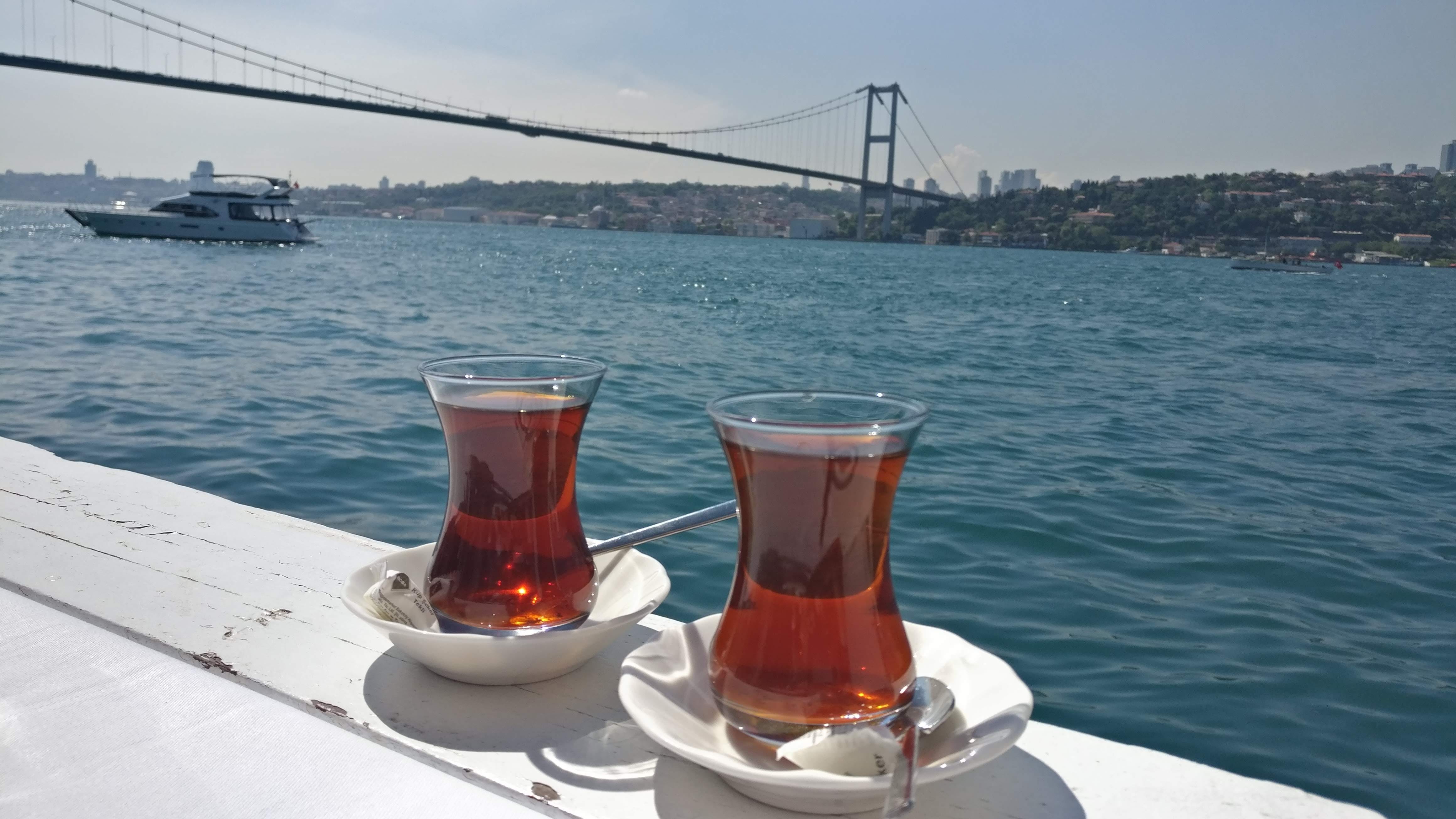
Finland, on the other hand it has its own culture. Not a tea culture, but a coffee one. Yes, we all know about the traditional turkish coffee too, but here, in Finland, kahvitauko (coffee break) is a culture itself.
Kahvitauko - a way of life, an institution in Finland
The morning coffee is the one that sets the tone for the day and normally is brewed strong and often black with only a hint of milk. The most popular coffee in Finland is filtered coffee, suodatinkahvi. In Finland, coffee is best enjoyed with something sweet, like a sugar-topped bun or a Finnish cinnamon roll (korvapuusti). A sweet treat can also be a munkki (Finnish doughnut), mustikkapiirakka (blueberry pie), or perhaps simply a piece of excellent Finnish chocolate, like Fazer.
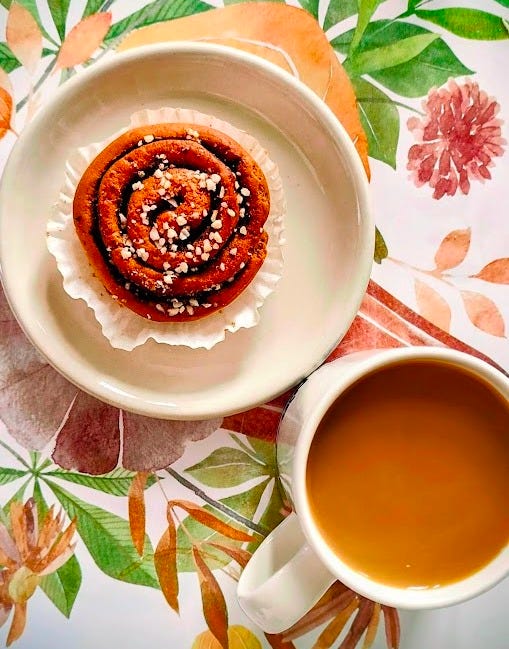
In the workplaces, the coffee break, or “kahvitauko” is more than just a chance to refuel, it’s spending time with your colleagues to chat, share ideas, and relax, often over a sweet pastry or sandwich. Similar to fika in Sweden.
Finnish coffee culture is more than just drinking coffee, it’s about community, same as çay is for the turkish people. Whether it’s the morning ritual, the mid-day break, coffee brings people together. It’s a way to connect, to share and to create moments of joy and relaxation.
If you want to learn all about the coffee culture in Finland, you may join a walking tour about coffee. Here are the details.
Did you know ?
Morning coffee is called “aamukahvi”, mid-morning coffee is called “aamupäiväkahvi”. In the afternoon there is “iltapäiväkahvi” and at night there is even “yökahvi”. Finns mostly consume light roasts and drink it black.
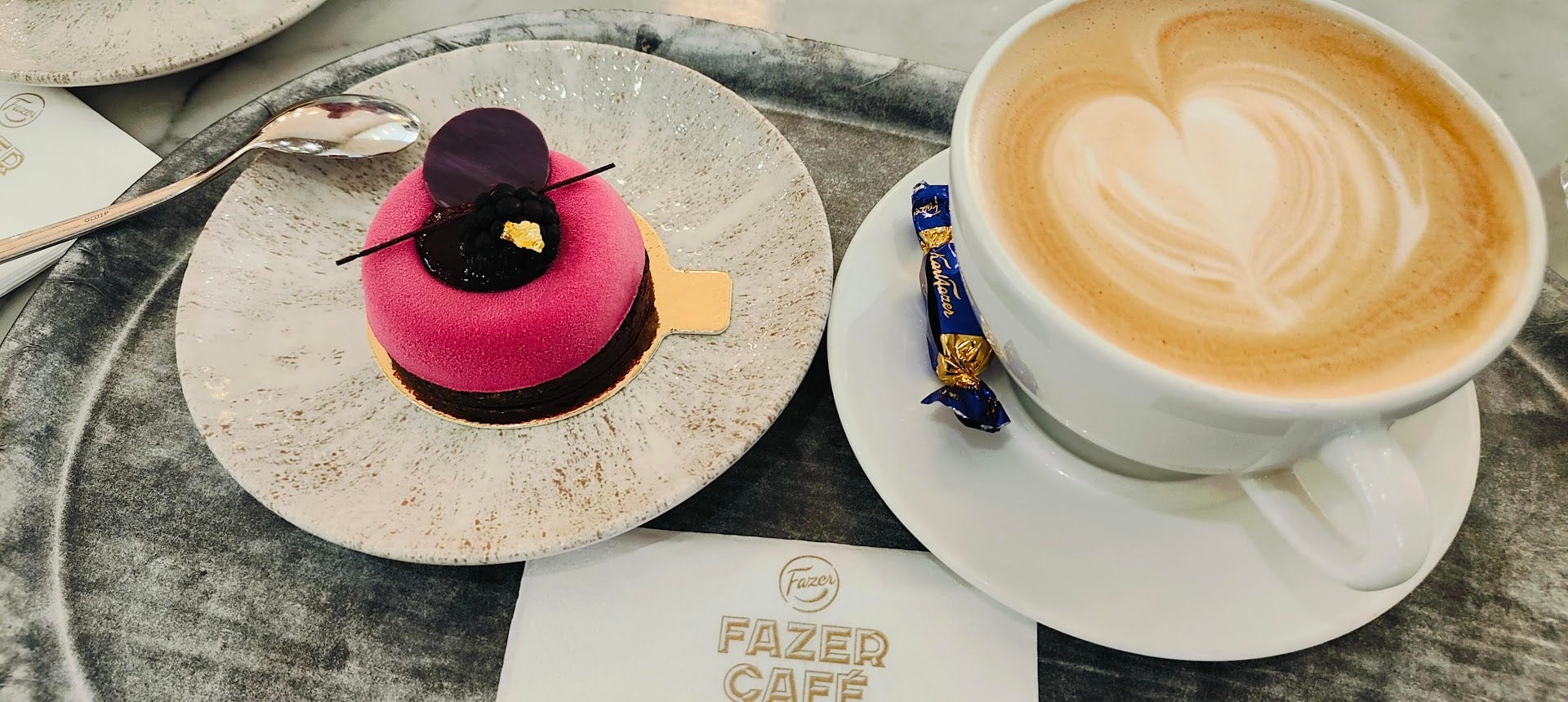
The Difference between the Finnish coffee and the Turkish coffee is:
in Türkiye the roasted beans are ground to a fine powder; then the ground coffee, cold water and sugar are added to a coffee pot and brewed slowly on a stove to produce the desired foam. The beverage is served in small cups, accompanied by a glass of water.
in Finland people choose light roasts, for their smooth aroma, and they prefer the filtered coffee, often drunk black or with a dash of milk and sugar.
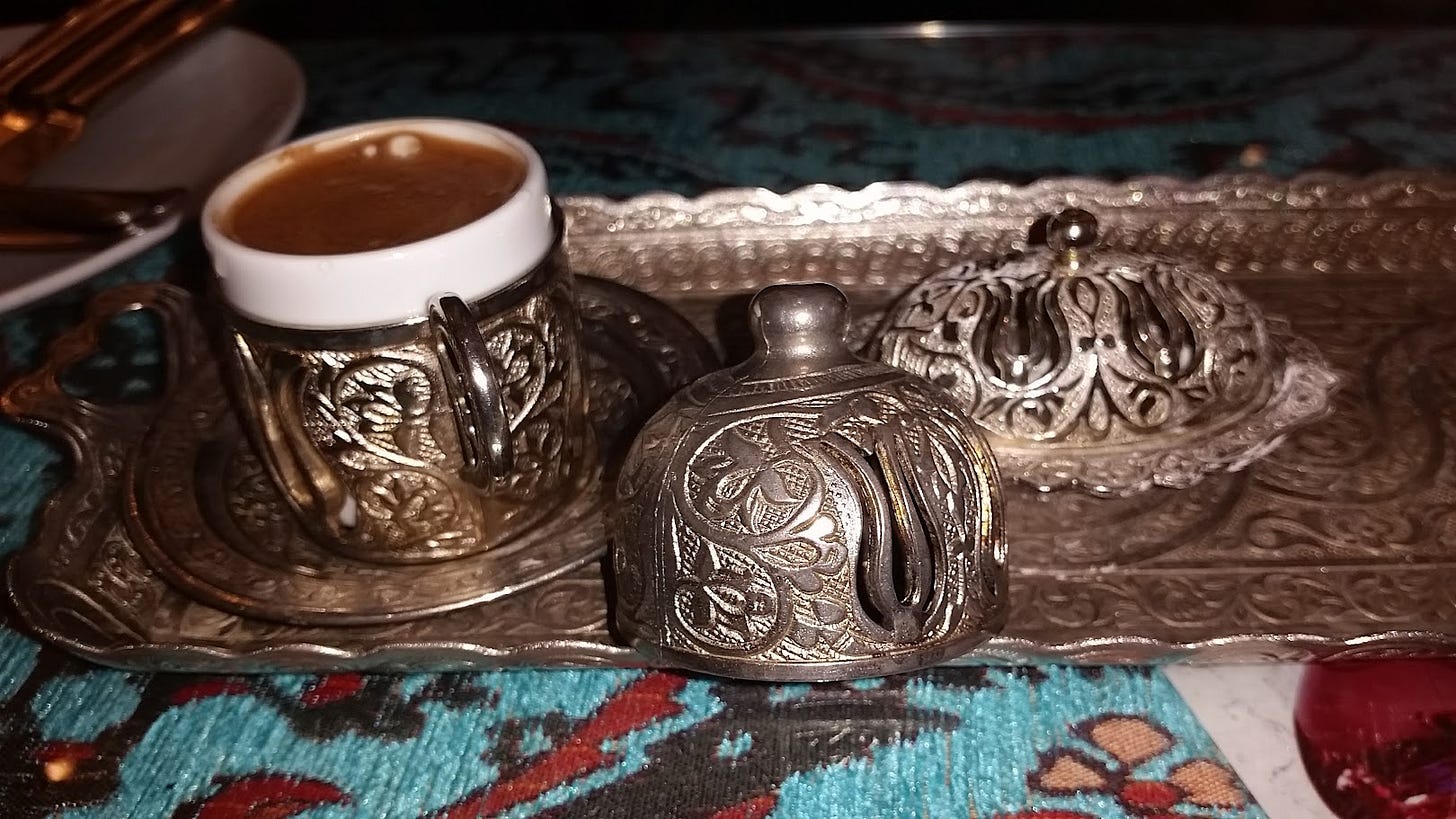
Türk kahvesi - turkish coffee
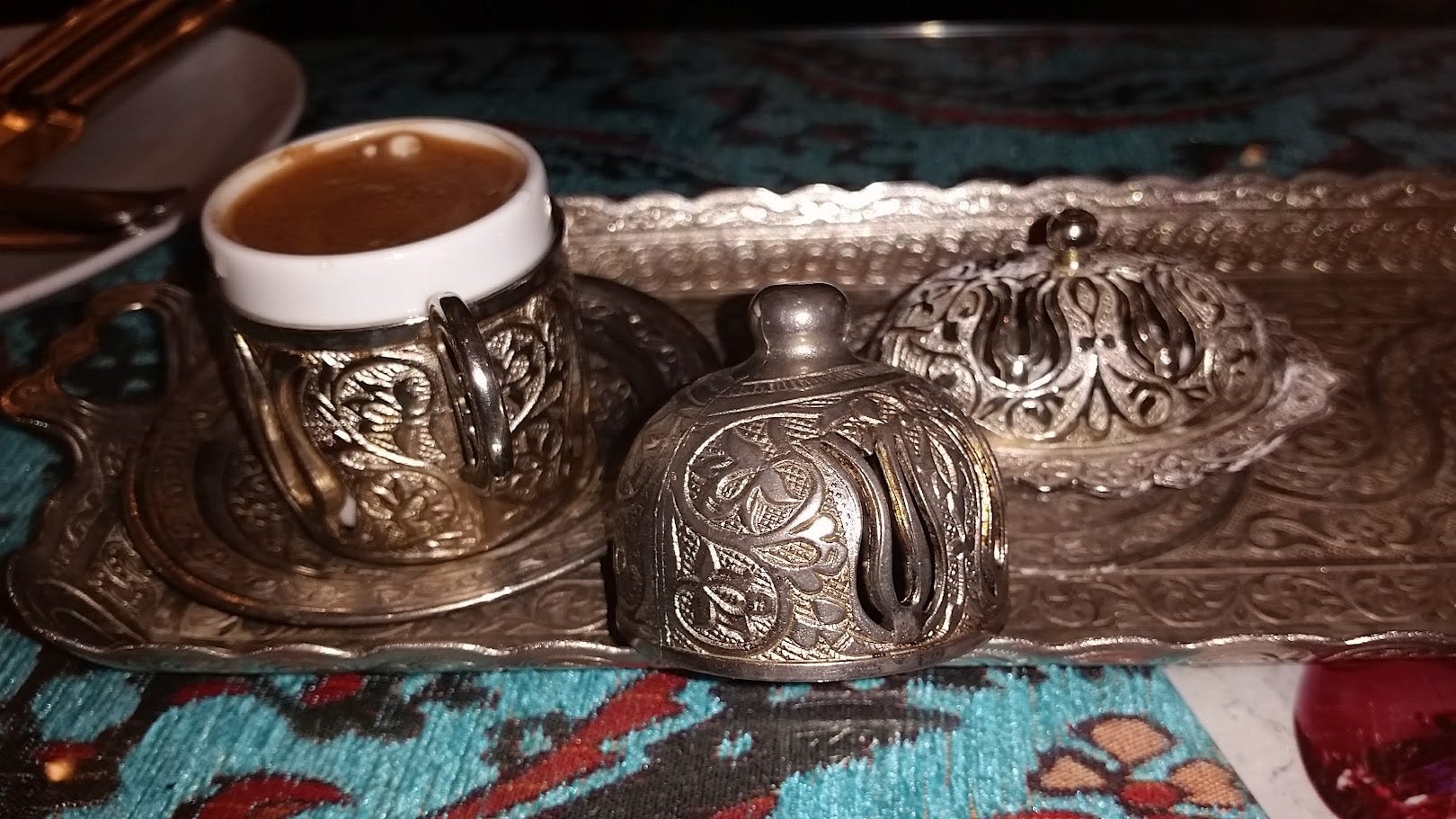
Fun facts:
Türkiye is no.1 consuming tea country in the world (about 3.16 kg per person each year).
both çay (chai) and Turkish coffee were inscribed on UNESCO’s list of Intangible Cultural Heritage of Humanity.
Finland is no.1 world’s highest coffee consumer among Nordic countries, with an average of 3.77 cups per day (data from July 2025 at Qahwa World, Dubai).
Finland has a coffee festival each year. Here are the details for the next one.
Coffee breaks at work in Finland are stipulated in the law, that allows every worker to have a 15 minute coffee break twice a day.
As a person living in both cultures (çay and coffee/Türkiye and Finland) I can say that both çay and coffee are the most important social/casual hangouts and formal events, such as business meetings or family celebrations.
What do you prefer more: coffee or tea?
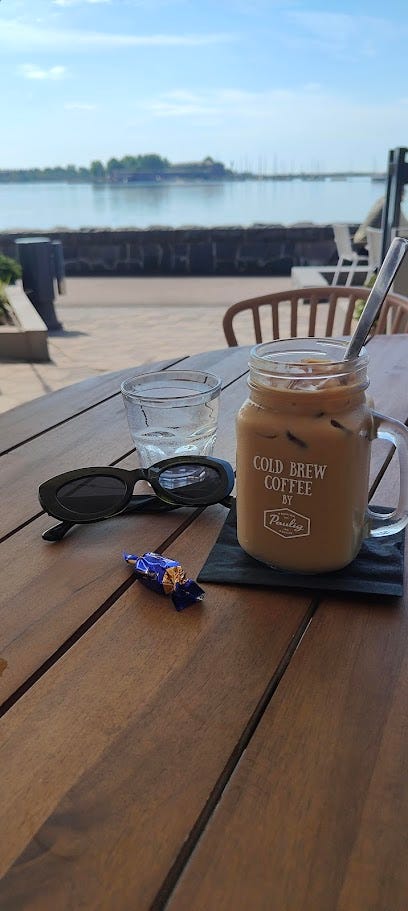
For me coffee all the way. I didnt like tea, not even as a child 😅
I really enjoyed reading this! 💜 I’m Mexican-American and live in Ankara now. I love coffee ☕️